Nail Care · Russian Manicure
Why Your Gel Manicure Lifts or Chips in a Week, and How to Make It Last a Month
Gel lifting after a few days? Here are the 9 most common causes (from salon prep to everyday habits) and what actually makes a gel manicure last 3–4 weeks.
By Deja Vu Salon Team · · 5 min read
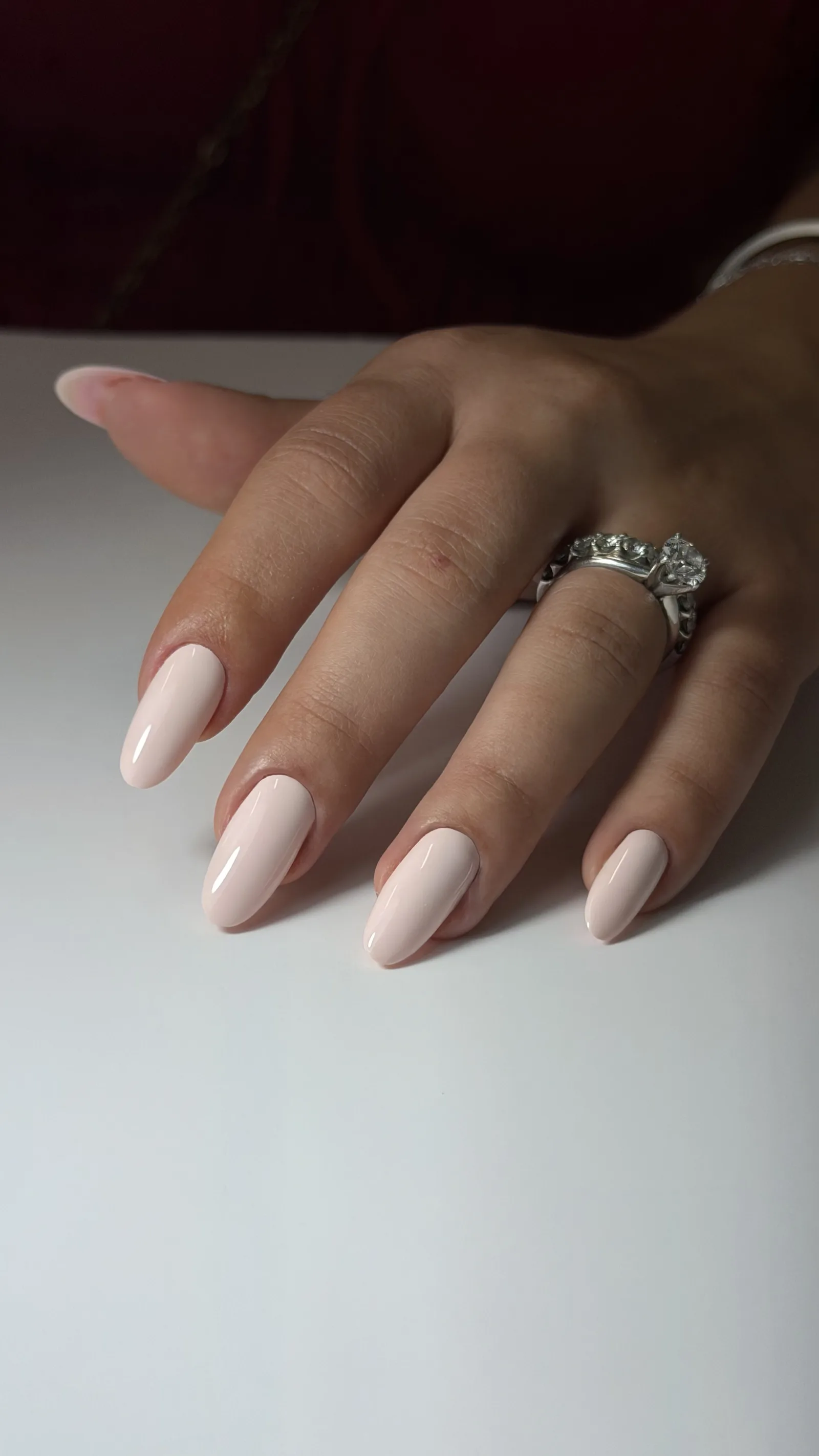
A good gel manicure should look nearly as fresh in week three as it did on day one. If yours starts lifting at the cuticle or chipping at the tips within a week, something in the process isn't working, and it's rarely bad luck.
Here are the most common reasons gel fails early, split into what happens at the salon and what happens at home, plus what we do differently so our clients' manicures last 3–4 weeks.
Causes that start at the salon
1. The nail was soaked before gel went on
This is the big one. Nails absorb water and expand slightly during a soak. If gel is applied while the nail is still holding that water, the nail shrinks as it dries over the next day or so, and that movement breaks the bond at the edges. The fix is a dry manicure: no soaking at all, so the gel bonds to a nail that won't change shape. It's the foundation of the Russian manicure.
2. Cuticle tissue was left on the nail plate
The cuticle leaves a thin, nearly invisible film of dead skin on the nail as it grows. If that film isn't fully removed, gel sticks to the skin instead of the nail, and it will lift as soon as that skin sheds. Precise e-file cuticle work clears it away.
3. Gel touched the skin
Even a hairline of gel resting on the cuticle or side walls creates a lever. As the skin moves and grows, it pries the gel up. Careful application keeps every coat on the nail, never on the skin.
4. Not enough (or too much) prep
Gel needs a clean, slightly textured, dehydrated surface to grip. Skipping the dehydrator or primer leaves oils behind; over-buffing thins the nail and makes it flex, which cracks gel from underneath. The right amount is light and thorough.
5. Wrong base for your nail type
Thin, bendy nails need a base that adds structure; strong, rigid nails do well with a thinner base. When the product doesn't match the nail, it either cracks (too rigid on a flexible nail) or peels (too thin on a nail that takes a lot of stress). That's why we assess your nails before choosing products.
6. The free edge wasn't capped
"Capping" means running a thin line of base, color and top coat across the tip of the nail to seal the edge. Uncapped tips are where chips begin, especially if you type a lot.
7. Under-curing
Every layer needs a full cure under a lamp matched to the product. Undercured gel stays soft underneath and peels away in sheets. Quality products and properly maintained lamps prevent it.
Causes that start at home
8. Using your nails as tools
Opening cans, scraping labels, popping lids: every one of these puts leverage on the free edge. Use the pad of your finger, a key or an actual tool instead.
9. Hot water and harsh chemicals without gloves
Long, hot dishwashing sessions and cleaning sprays dry out the skin and nail, and constant swelling and drying works against the bond. Wear gloves for chores, and follow up with cuticle oil.
How to make a gel manicure last a month
Putting it all together, here's what actually makes the difference.
- Book a dry manicure. No soak means no swelling, and that's the single biggest factor in long wear.
- Choose a technician who does precise cuticle work. Gel should start right at the cuticle line, on a perfectly clean nail plate.
- Let them assess your nails. The right base and structure for your nail type prevents cracking and peeling.
- Oil your cuticles daily. Hydrated skin and nails flex together with the gel instead of against it. A drop at bedtime is enough.
- Wear gloves for wet work. Dishes, cleaning, gardening.
- Don't pick. If something lifts, come in for a repair rather than peeling it, because peeling takes layers of your natural nail with it.
- Keep a 3–4 week schedule. As nails grow, the gel's balance point moves forward and the tip takes more stress. Coming in on time protects both the manicure and your nails.
- Get professional removal. Proper e-file removal keeps your natural nail intact for the next set.
What about my existing gel?
If you're coming from another salon with gel that's lifting, don't pull it off. Book a Removal add-on with your service and we'll take it off safely before we start. You can see all add-ons on our services page.
Still lifting after a dry manicure?
Occasionally, nails are going through something (hormonal changes, certain medications, very oily nail beds) that affects adhesion. If your manicure isn't lasting, tell us. We'll adjust prep and products, and we'll be honest if we think something else is going on.
The bottom line
Most early lifting and chipping comes down to prep: water, leftover cuticle tissue and gel on the skin. Fix those, add a little care at home, and three to four weeks of wear is completely realistic. As one of our clients put it: "I can go three weeks between appointments without a problem."
Want to try it? Read about our Russian Manicure (Dry Gel) or learn what the technique is and where it comes from.