Russian Manicure · Nail Care
Russian Manicure vs. Regular Gel Manicure: Which Is Better for Your Nails?
A clear, honest comparison of the Russian (dry) manicure and a traditional gel manicure: technique, wear time, nail health, hygiene and who each one suits.
By Deja Vu Salon Team · · 5 min read
Both services end with glossy gel on your nails, so it's fair to ask: what's actually different, and is it worth it? We perform both kinds of work, and we're happy to tell you when a simpler service makes more sense. Here's an honest comparison.
The core difference is in the prep
Most of what makes a manicure last happens before any color goes on. The two techniques take very different approaches to preparing the nail and the cuticle.
A traditional gel manicure usually starts with a soak in warm water to soften the skin. The cuticle is pushed back, then trimmed with nippers. The nail is filed, buffed, and gel is applied, typically leaving a small margin between the polish and the cuticle so the brush doesn't flood the skin.
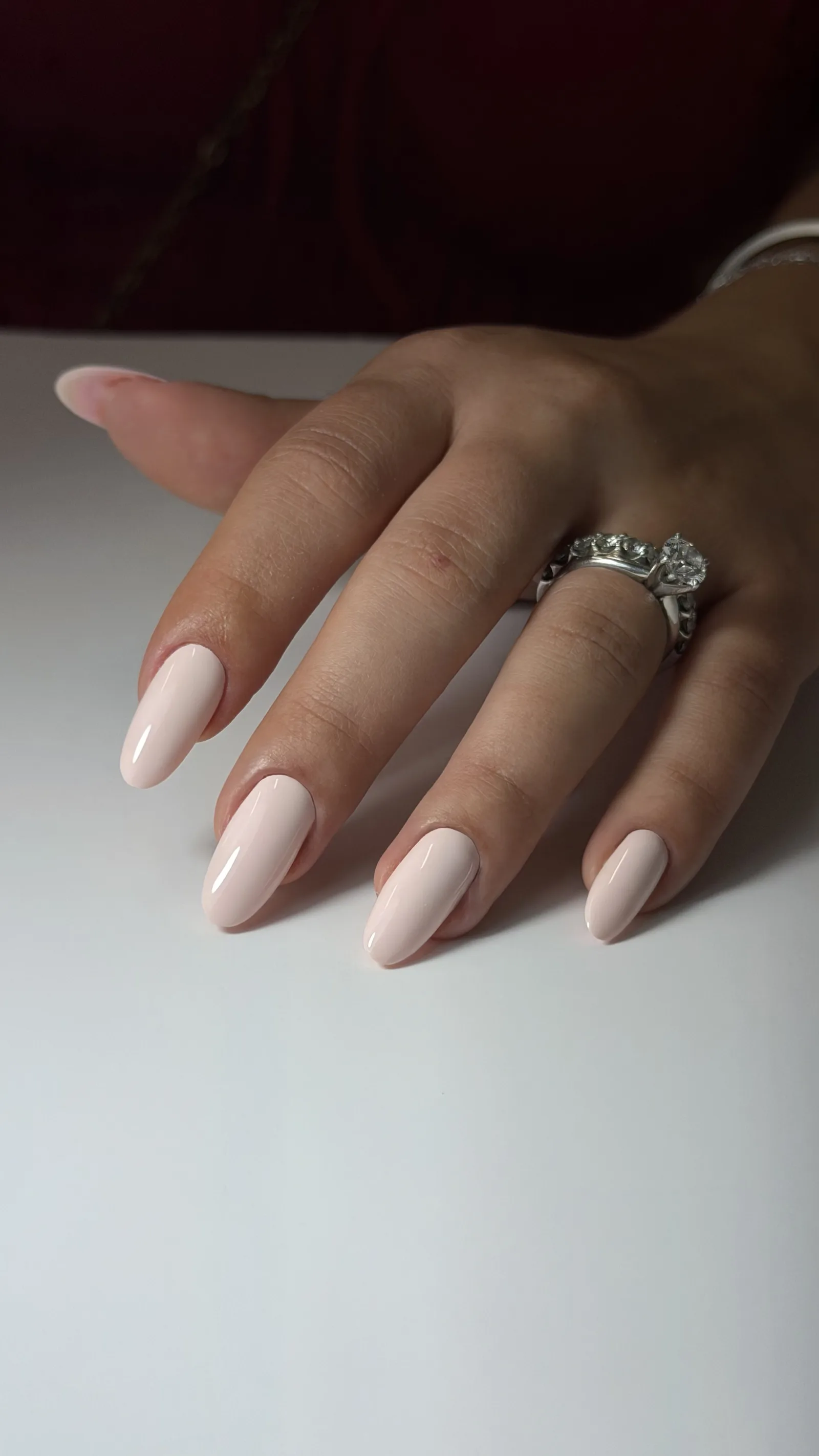
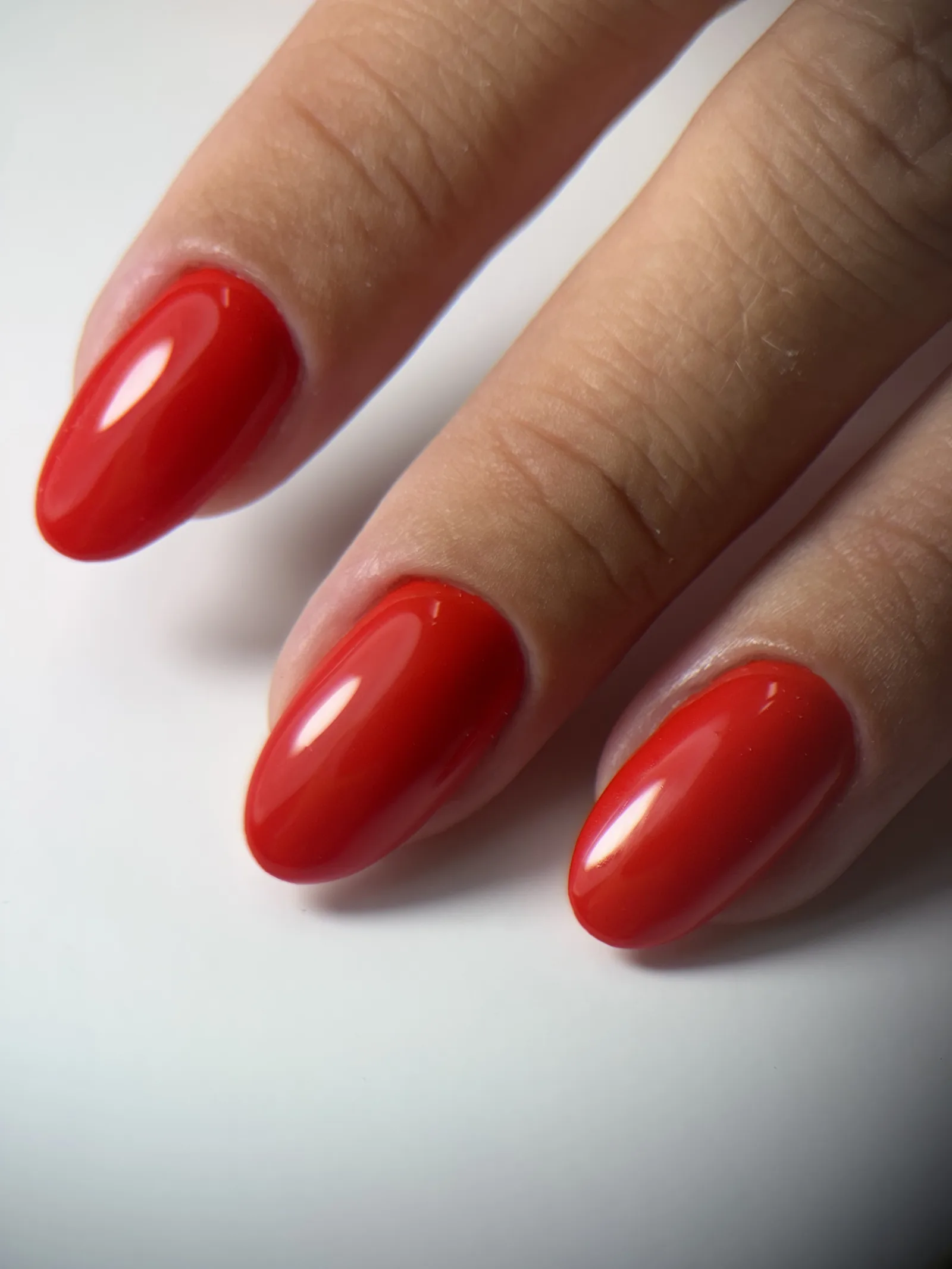
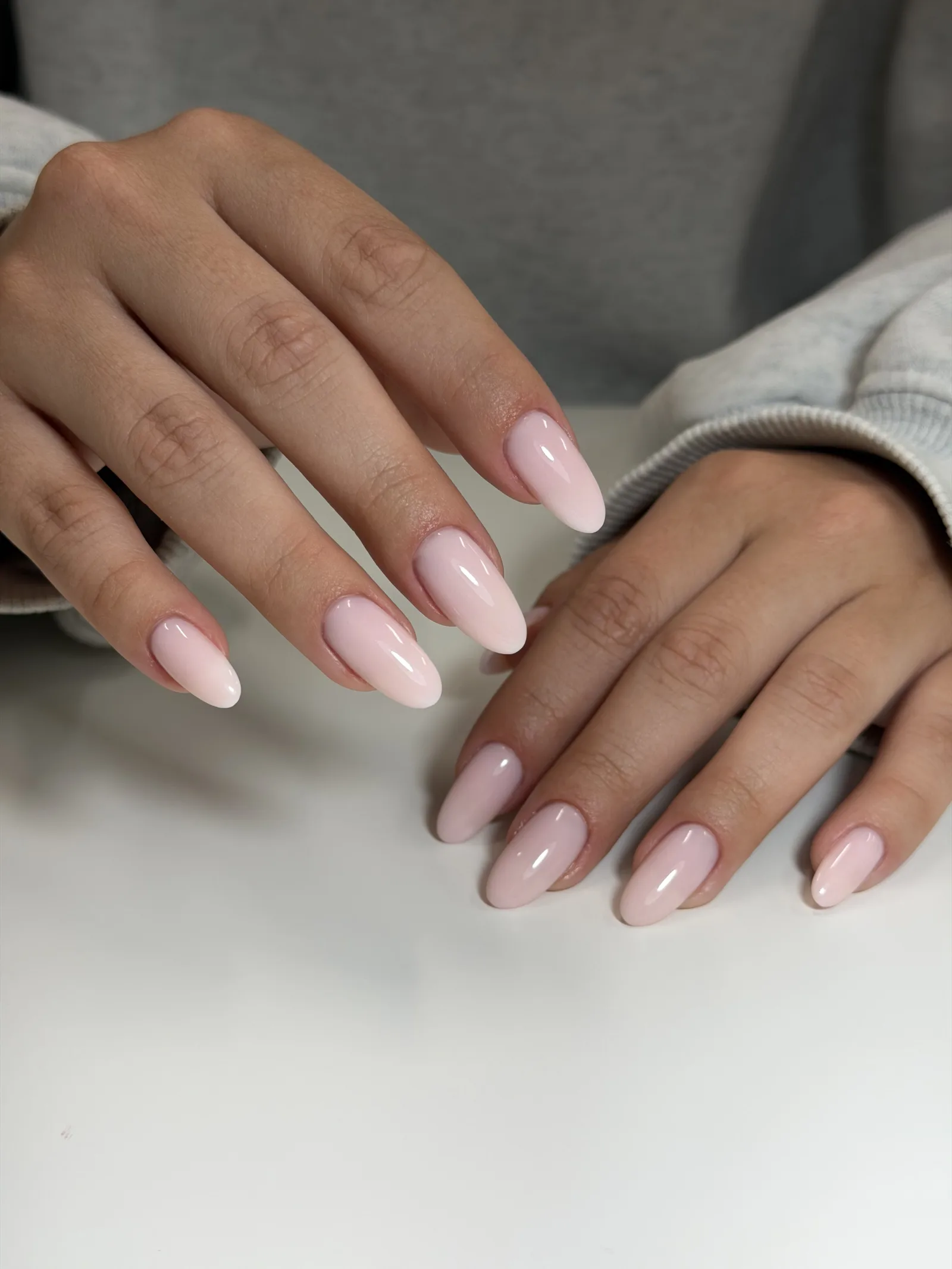
A Russian manicure (more precisely, a dry manicure) skips the water entirely. The technician uses an e-file with small, specialized bits to lift the cuticle and clear the non-living tissue from the nail plate. Gel is then placed right at the cuticle line, slightly tucked under the lifted edge, so color appears to grow straight out of the skin.
Side-by-side comparison
| Traditional gel manicure | Russian manicure (dry gel) | |
|---|---|---|
| Water soak | Yes, to soften cuticles | None, completely dry |
| Cuticle work | Pushed back, then cut with nippers | Lifted and refined with an e-file |
| Polish placement | Small visible margin at the cuticle | Right at, and slightly under, the cuticle line |
| Typical wear | Looks fresh 7–10 days | Looks fresh 3–4 weeks |
| Grow-out | Gap is noticeable within 1–2 weeks | Grow-out is subtle for weeks |
| Nail health | Repeated soaking and aggressive removal can weaken nails | No soaking; careful removal keeps the nail plate intact |
| Precision | Good | Very high; detail-focused |
| Hygiene | Varies by salon | Sterilized bits are essential (we autoclave ours) |
| Appointment length | Usually shorter | Around 60–75 minutes |
Wear time: why dry lasts longer
When nails soak in water they absorb some of it and expand slightly. If gel goes on while the nail is still swollen, the nail contracts as it dries out over the next day or two. That micro-movement stresses the bond between gel and nail, especially at the edges, and it's one of the most common reasons gel lifts early.
A dry manicure avoids that problem by never introducing water. The nail you apply gel to is the same nail you'll be wearing it on for the next month.
The second reason is visual. Your nail grows roughly the same amount either way, but when color starts right at the cuticle, there's no starting gap, so a few weeks of growth is far less noticeable. You'll read more about the specific causes of lifting in our post on why gel manicures lift or chip in a week.
Nail health: what actually helps
The biggest threats to nail health in any gel routine are:
- Aggressive removal: peeling or prying gel off, or filing down into the natural nail.
- Over-buffing during prep: thinning the nail plate a little more every visit.
- Cutting living skin around the nail, which invites irritation and infection.
A properly performed dry manicure addresses all three: removal is done carefully with an e-file, leaving a thin base layer rather than grinding down to the natural nail; prep is light; and cuticle work focuses on non-living tissue. That's why many of our regular clients notice their nails becoming stronger over time rather than thinner.
To be fair, a careless dry manicure can do real damage too. An e-file in untrained hands can overheat or thin the nail. The technique is only as good as the technician.
Hygiene
Because the dry technique uses reusable metal bits, sterilization matters more, not less. Ask any salon how they clean their tools. The answer you want to hear is autoclave: hospital-grade steam sterilization, with tools opened from a sealed pouch in front of you. Files and buffers can't be sterilized, so they should be single-use.
Cost and time
A Russian manicure takes longer than a quick gel service and is priced accordingly (you can see our current prices on the services page). But because it lasts 3–4 weeks instead of 1–2, many clients find they visit less often and spend about the same, or less, over a season.
Which one should you choose?
Choose a Russian manicure if you:
- want your manicure to look fresh for three weeks or more,
- have thin, peeling or weak nails you'd like to strengthen,
- are tired of gel lifting at the edges,
- appreciate detail-oriented, unhurried work.
A regular manicure may suit you better if you:
- like to change colors every week or two,
- prefer regular (non-gel) polish,
- have very short appointment windows.
We offer both. If you're not sure, book the Russian Manicure (Dry Gel) and tell us your goals; we'll assess your nails first and we won't push a service you don't need.
Where the name comes from
One more thing: the "Russian" in Russian manicure is a bit of a misnomer. The dry e-file technique developed across Eastern Europe, in Ukraine, Belarus, Russia, Poland and neighboring countries, and "Russian manicure" is simply the name that caught on in the US. We use it because it's what people search for, but what you're getting is a dry manicure. Read the full story in our complete guide to the Russian manicure.
Try it in Warrington, PA
Deja Vu Salon is a boutique salon in Warrington, specializing in the dry technique, with clients from across Bucks and Montgomery County. Learn more about the service and request an appointment on our Russian Manicure (Dry Gel) page.