Russian Manicure · Nail Care
What Is a Russian Manicure? The Complete Guide (and Where It Really Comes From)
Everything you need to know about the Russian manicure: how the dry e-file technique works, why it lasts 3–4 weeks, whether it's safe, and why it's really an Eastern European tradition.
By Deja Vu Salon Team · · 8 min read
If you've searched for a manicure that actually lasts, you've probably run into the phrase Russian manicure. It's one of the fastest-growing nail searches in the US, and for good reason: done well, it gives you a cleaner cuticle line than you've ever had and gel that looks fresh for three to four weeks.
It's also widely misunderstood. Some people think it's a nail shape, some think it's a polish brand, and plenty assume it's simply "a regular manicure with an e-file." In this guide we'll explain what it actually is, how it's performed, what it costs your nails (spoiler: less than you'd think), and where the technique really comes from.
The short answer
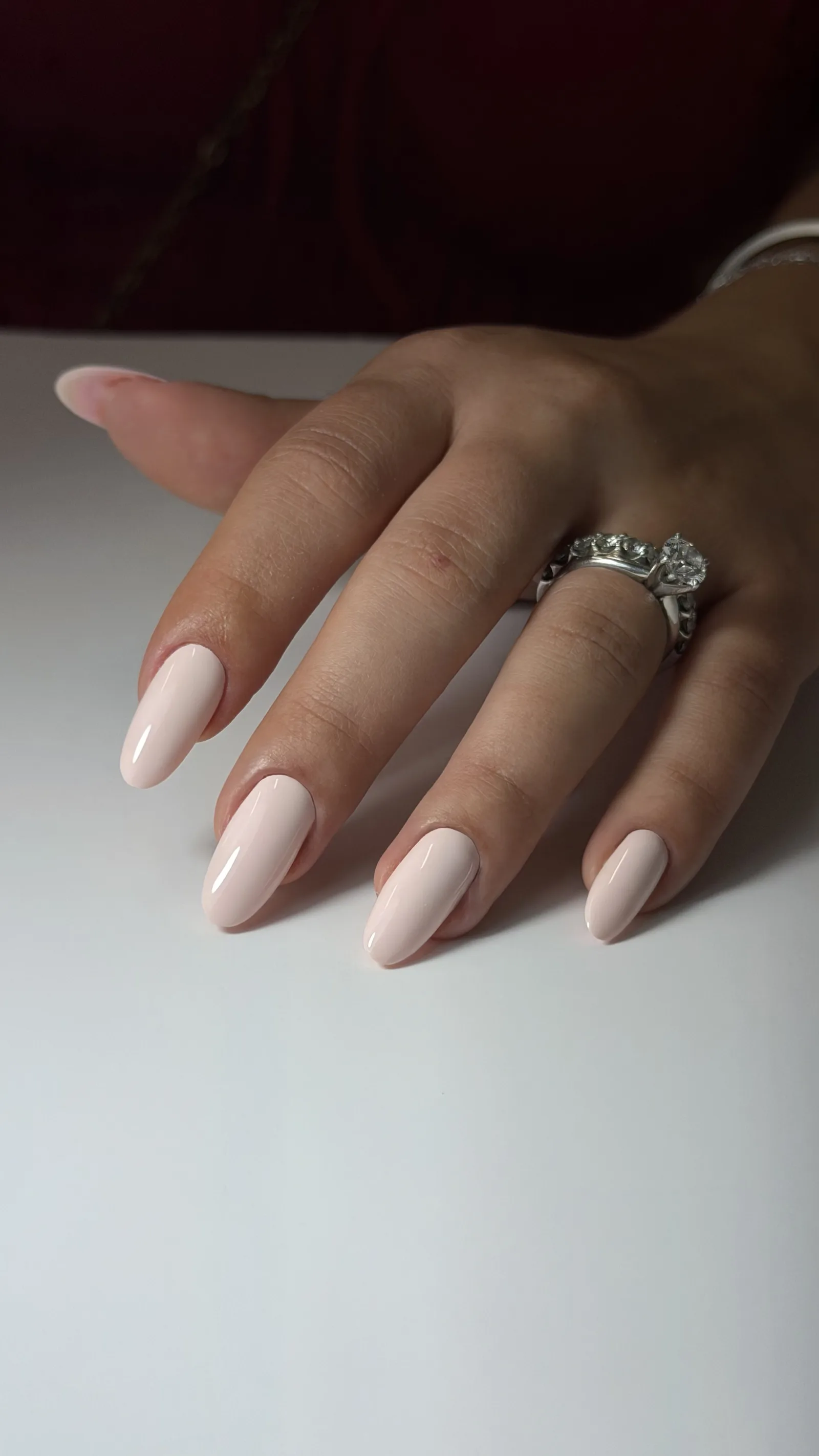
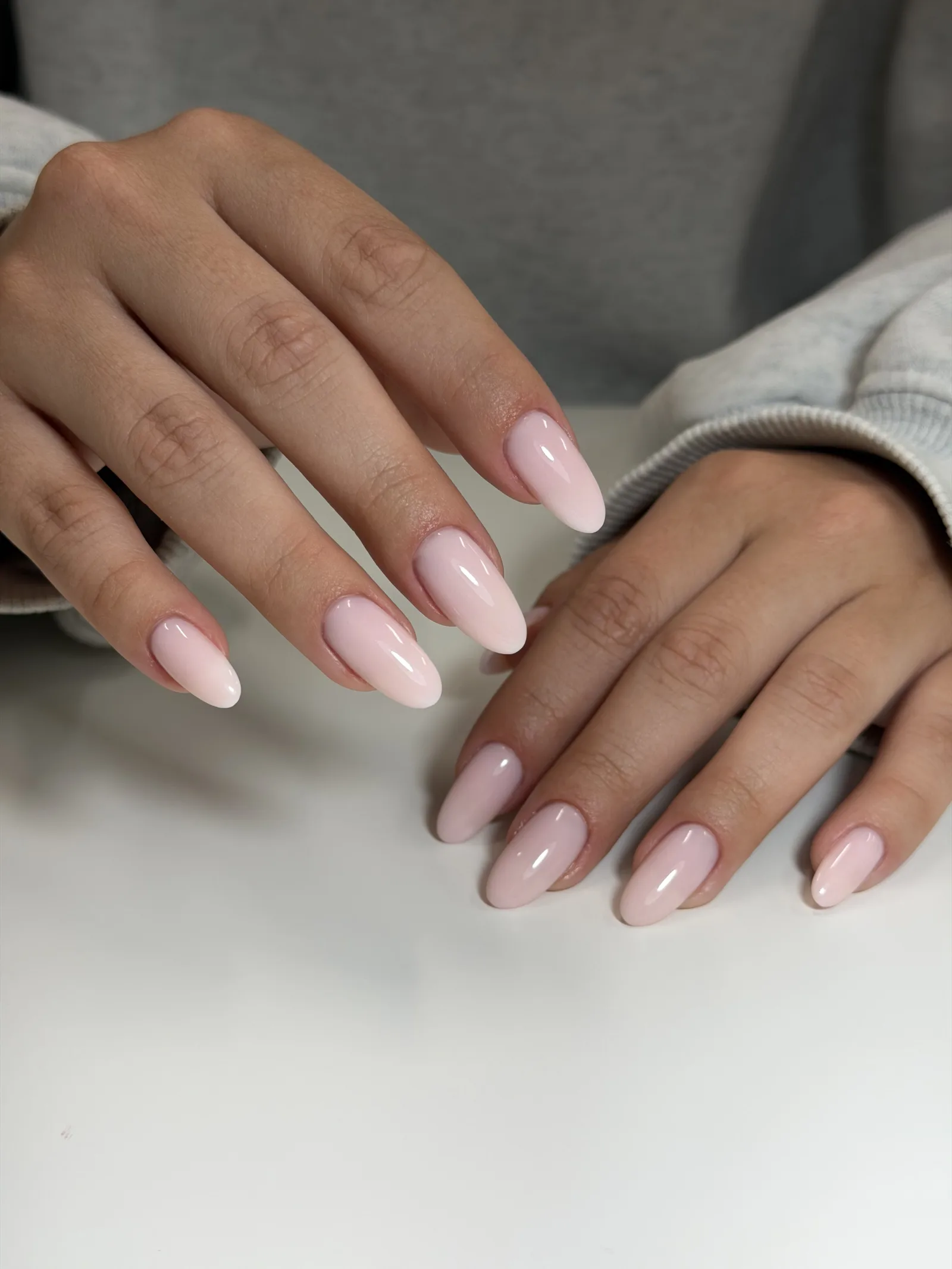
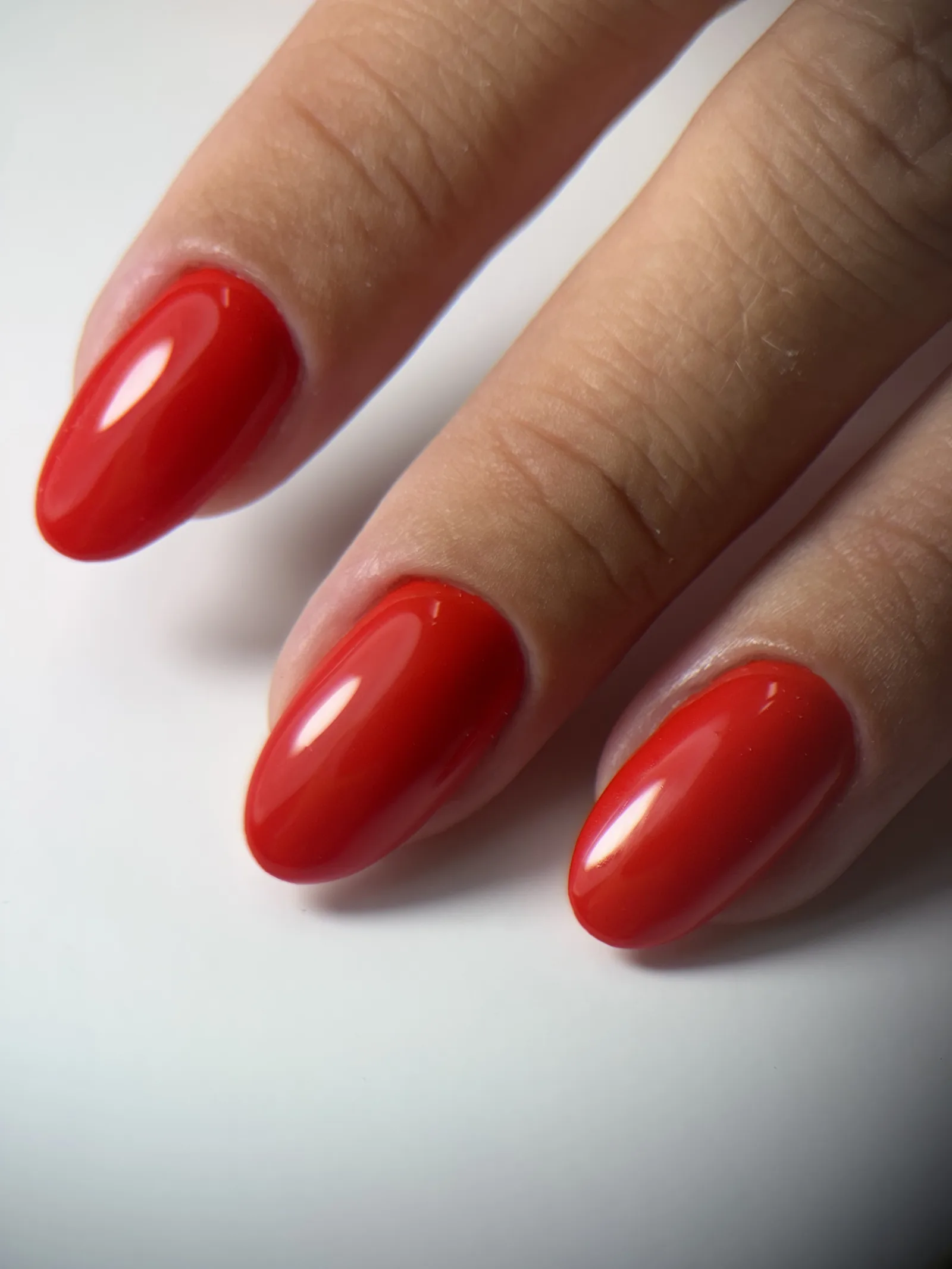
A Russian manicure is a dry manicure. Instead of soaking your fingers in water and cutting the cuticle with nippers, the technician works on a completely dry nail using an electric file (an "e-file") fitted with small, specialized bits. The cuticle is gently lifted and refined rather than cut, and gel polish is then placed very close to the cuticle line, tucked slightly under its lifted edge, so the color appears to grow straight out of the skin.
That precision is the whole point. Because the gel starts right at the cuticle, your nails look freshly done for much longer as they grow out. Most of our clients wear their Russian manicure for 3–4 weeks.
At Deja Vu Salon we call the service by its full name, Russian Manicure (Dry Gel), so it's clear what you're booking.
How a Russian manicure is done, step by step
Every salon has its own rhythm, but a careful Russian manicure follows the same basic sequence.
1. Consultation and nail assessment
Before anything touches your nails, your technician looks at them: thickness, flexibility, any peeling, lifting or damage from previous services. This matters because the dry technique is precise work on living tissue, and the right approach for thin, bendy nails is different from the right approach for strong, thick ones.
2. Removal of old product (if needed)
If you arrive with existing gel, it's removed with an e-file and a gentle hand, leaving a thin protective layer rather than filing down to the natural nail. Good removal is a big part of why nails stay healthy over months of wear.
3. Dry cuticle work
This is the heart of the service. Using a small rounded or flame-shaped bit, the technician lifts the eponychium (the living skin at the base of the nail) and clears the non-living cuticle tissue that clings to the nail plate. Any remaining dead skin is then refined, sometimes with a very fine nipper for a single hangnail, but the goal is never to cut into living skin.
4. Shaping and prep
The free edge is shaped, the surface is lightly prepped so gel can bond, and the nail is dehydrated and primed.
5. Gel application close to the cuticle
A strengthening base gel is applied and leveled, then color is placed right up to (and just under) the lifted cuticle line. This is where steady hands and good lighting count. Each coat is cured under an LED lamp.
6. Top coat and finish
A top coat seals everything, then cuticle oil goes on to rehydrate the skin.
The whole appointment typically takes 60–75 minutes. It isn't a quick service, and it shouldn't be.
Why it lasts 3–4 weeks
Two things make the difference.
Dry nails hold gel better. Nails absorb water and swell slightly when they're soaked. If gel is applied while a nail is still expanded from a soak, the nail shrinks back as it dries, and that tiny movement stresses the bond. That's one of the most common reasons traditional gel manicures lift at the edges after a week. A dry manicure skips the soak entirely, so the gel bonds to a nail that isn't going to change shape.
The grow-out is nearly invisible. With a traditional manicure, there's often a small gap between the cuticle and the start of the polish on day one. After ten days of growth, that gap is obvious. When color starts right at the cuticle, the same ten days of growth looks like almost nothing, and three weeks still looks neat.
Is a Russian manicure safe?
Yes, when it's done by a trained technician who respects the nail. The e-file is a precision tool, and like any precision tool, the result depends on the hands holding it. In skilled hands it's gentler and more controlled than nippers, because it removes only non-living tissue.
What to look for in a salon:
- Training specifically in the dry technique. It's a distinct skill, not an add-on.
- Sterilized tools. Metal bits and implements should come out of a sealed pouch from an autoclave (a hospital-grade steam sterilizer), not a jar of blue liquid.
- Single-use files and buffers. These can't be properly sterilized, so they should be new for every client.
- Someone who asks about your nails first and is willing to say "not today" if your nails need a break.
That's the standard we hold ourselves to at Deja Vu Salon, and you can read more about it on our Russian manicure page.
Does it hurt?
It shouldn't. Most clients find it surprisingly relaxing: no cold water, no snipping. You may feel light vibration or gentle warmth from the e-file. If anything is ever uncomfortable, say so; a good technician adjusts speed and pressure immediately.
Is it better for your nails?
Done properly, yes. Because there's no soaking and very little filing of the nail plate, nails aren't repeatedly weakened. Many of our long-term clients find their nails become stronger and less prone to peeling over time, partly because a well-applied gel layer protects the natural nail from daily wear, and partly because careful removal preserves the nail plate between appointments.
The opposite is true when the technique is rushed: over-filing during removal or cutting into living skin causes exactly the damage people fear. Technique is everything.
Where the Russian manicure really comes from
Here's the part most guides skip.
The dry e-file manicure didn't come from one country. It developed and was refined across Eastern Europe and the Slavic world, in salons and training schools in Ukraine, Belarus, Russia, Poland and their neighbors, where "hardware" (machine) manicures became the professional standard. Technicians across the region traded methods, trained one another and pushed the precision further.
When the technique arrived in the US, it needed a name, and "Russian manicure" is the one that stuck. It's now the term almost everyone searches for, so we use it too, because it helps people find what they're looking for.
But if you want to be precise, what you're actually getting is a dry manicure: an Eastern European technique, not a specifically Russian one. Our team trained in that tradition, and we think it's worth calling it what it is.
Russian manicure vs. a "regular" gel manicure
We've written a full side-by-side comparison in Russian Manicure vs. Regular Gel Manicure, but here's the short version:
- Water: traditional soaks; Russian is completely dry.
- Cuticles: traditional pushes and cuts; Russian lifts and refines with an e-file.
- Polish placement: traditional leaves a visible margin; Russian starts at the cuticle.
- Wear: traditional typically 7–10 days of "fresh" look; Russian 3–4 weeks.
How often should you come in?
Every 3–4 weeks for most people. If your nails grow quickly, or you like them looking perfect, three weeks is ideal. Pushing much longer than four weeks puts stress on the nail as the gel's balance point moves forward.
Is it right for you?
A Russian manicure is a great fit if you:
- want a manicure that lasts and still looks clean in week three,
- have thin, peeling or weak nails you'd like to strengthen,
- have struggled with gel that lifts or chips within days,
- care about hygiene and precise, detailed work.
It may not be right if you change your color every week, or if you have an active nail infection or broken skin around the nail (we'll always tell you if we think you should wait).
Ready to try one?
If you're in Bucks or Montgomery County, we'd love to see you. Our clients come from Warrington, Doylestown, Warminster, Newtown, Horsham and further; some drive over an hour. You can learn more about the service, see what to expect and check pricing on our Russian Manicure (Dry Gel) page, or browse our full service menu.